 Verified
Verified
Verified
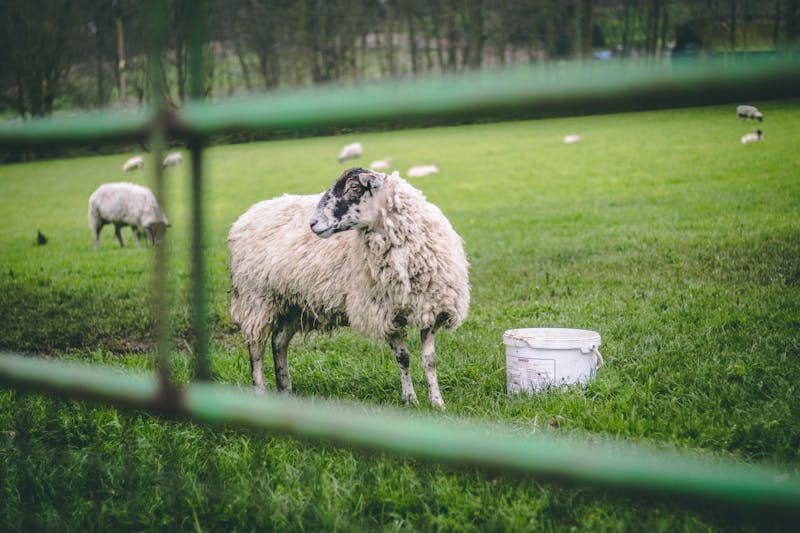
Wool fiber comes from the fleece of sheep raised on open American pastures, one of the most versatile and enduring natural fibers in the world. Naturally breathable yet remarkably warm, our wool is sourced from Climate Beneficial™ certified farms where the animals graze freely and are sheared with care each spring.
Wool is sourced from sheep raised by farmers across the United States who are Climate Beneficial™ certified, a holistic standard that supports regenerative land practices, transparent farm-traceability, and the restoration of ecosystems. These farmers work in rhythm with nature, nurturing healthy soil, supporting biodiversity, and strengthening local agricultural communities.
Their sheep are raised on open pastures, grazing naturally and living in low-stress, respectful environments. Every decision from land management to daily care is made with the wellbeing of the animal and the future of the land in mind.
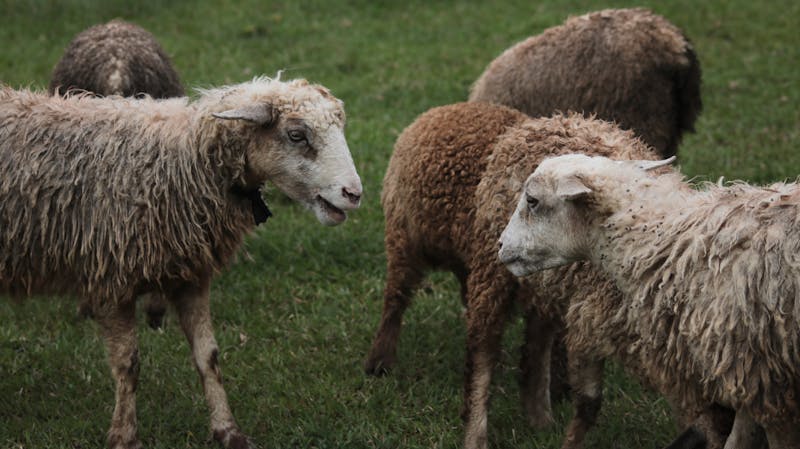
Shearing takes place once a year and is a vital part of the sheep's wellbeing. Without it, their fleece would continue to grow, leading to discomfort and potential health concerns. Experienced shearers handle this process with calm precision, ensuring it is both safe and gentle, an act of care, not extraction.
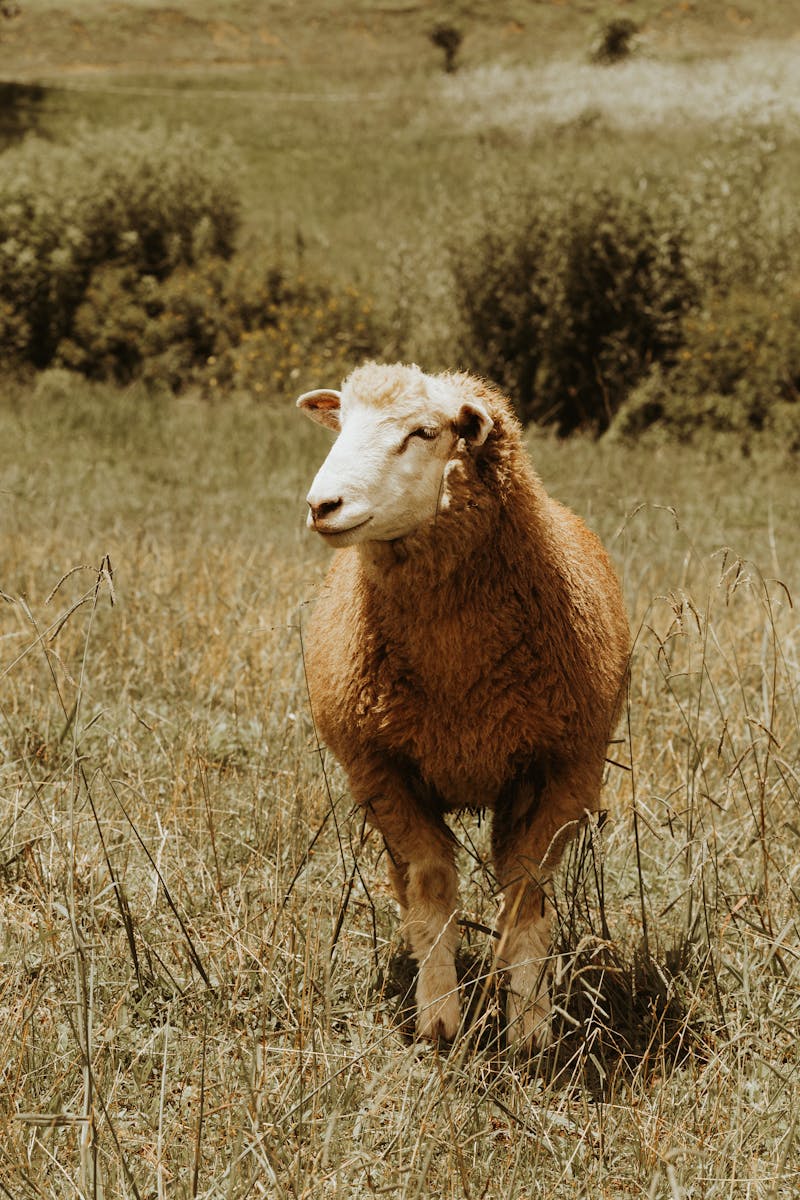
Once the fleece is removed, it is laid out and sorted by hand. This is where quality begins to take shape. Natural debris like hay and twigs are carefully removed, along with coarser fibers, allowing only the most refined wool to continue forward.
The wool is then washed slowly to remove dirt and excess lanolin. This step is done with intention, cleaning the fiber while preserving its natural softness, loft, and integrity.
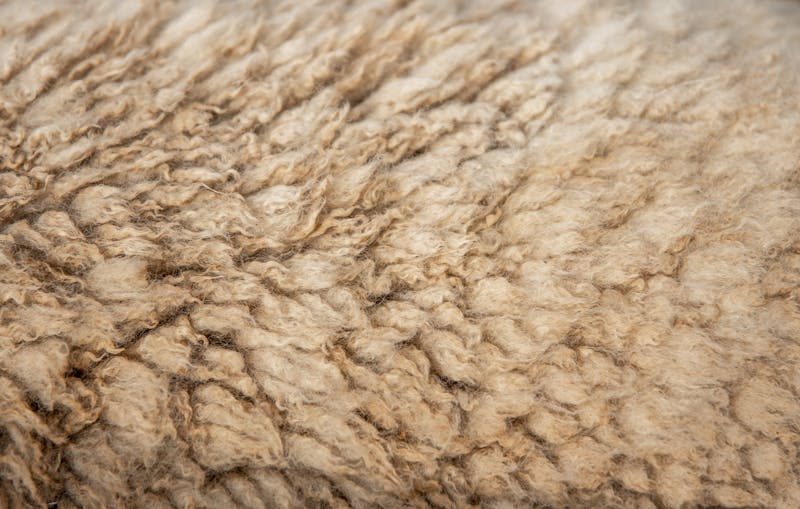
After drying, the wool is carded to bring the fibers into alignment. This process transforms the fleece into a soft, uniform layer, ready to be shaped into yarn while maintaining its breathable, insulating qualities.
The prepared fibers are spun into yarn, where they are carefully twisted into strong, lasting strands. This stage brings structure to the fiber, creating a yarn that is both functional and deeply connected to its origin.
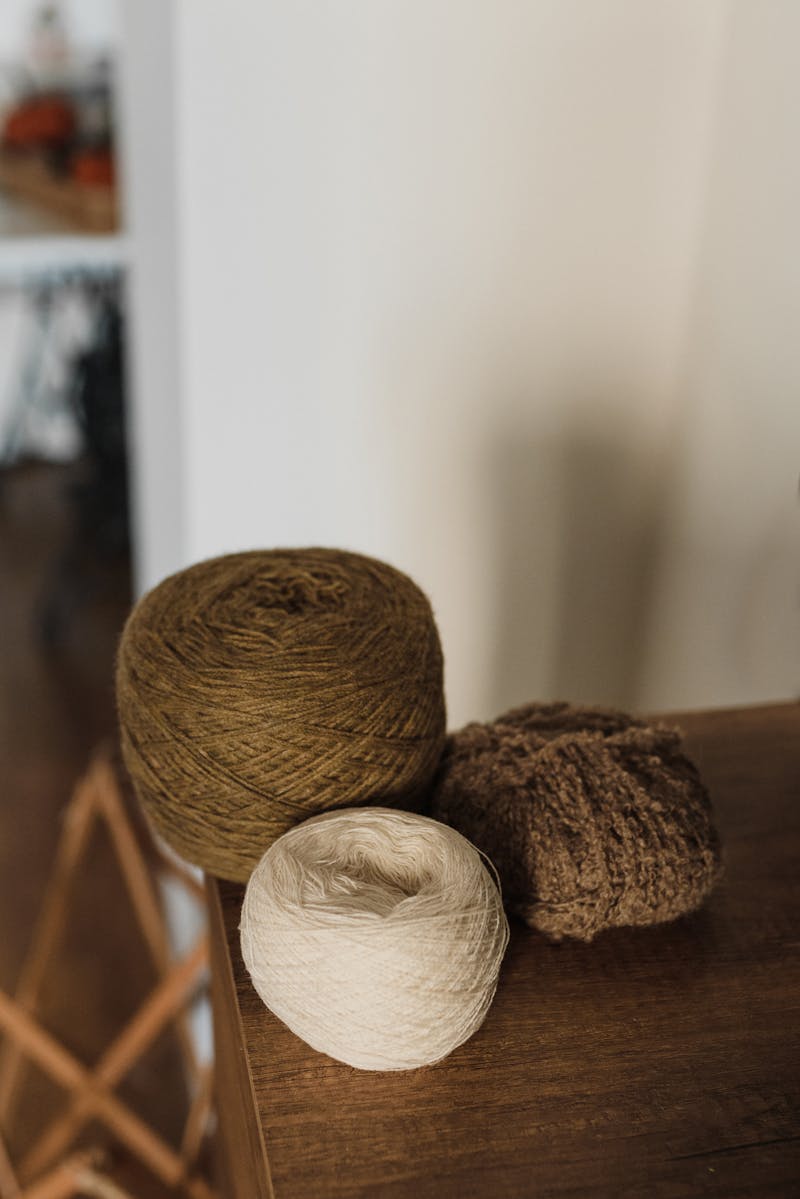
When color is desired, the yarn is dyed using only natural elements, flowers, bark, leaves, roots, seeds, and acorns. These plant-based dyes create rich, grounded tones that reflect the landscape they come from, free from synthetic chemicals.
Before any garment is created, the yarn is developed into swatches. These samples allow us to observe how the textile behaves, how it feels against the skin, how it moves, and how it holds its shape. This step ensures that every material meets our standard of comfort and longevity.
With intention guiding the process, the yarn is then knitted or crocheted into final form. Each piece is made slowly and thoughtfully, prioritizing craftsmanship over mass production.
What you wear carries a deeper story, one of regeneration, respect, and care. From American farms restoring the land to the final garment you place on your body, every step is considered.