 Verified
Verified
Verified
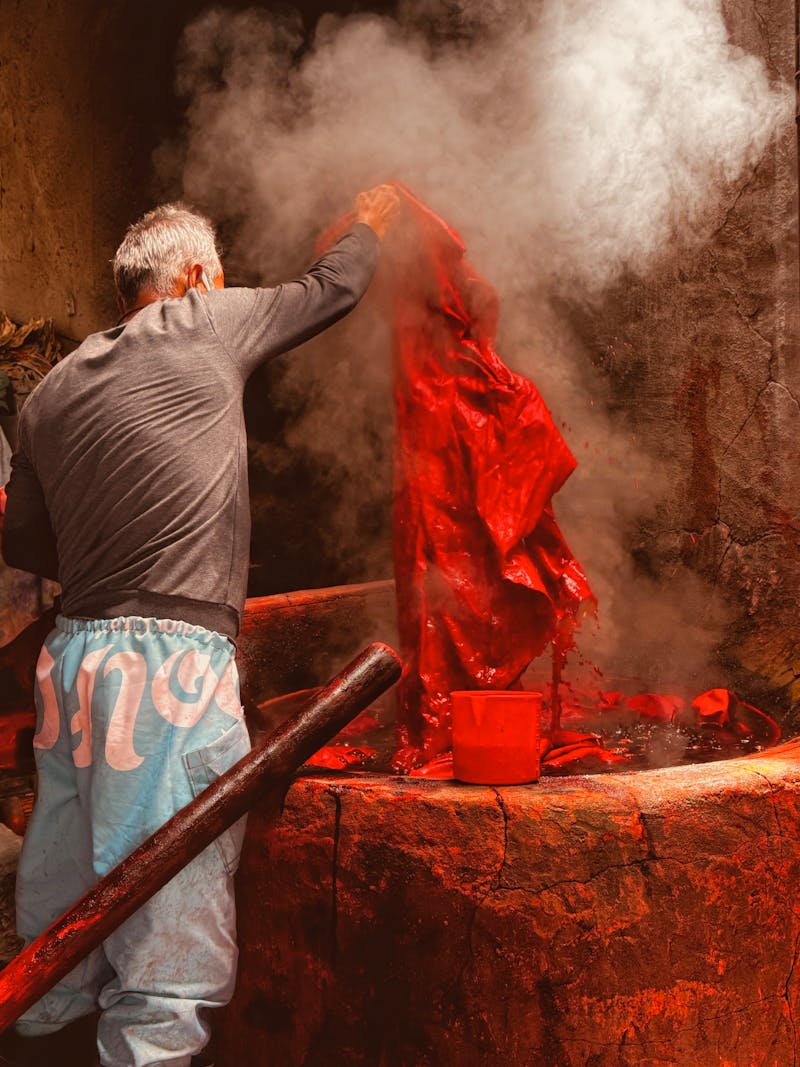
Every Rich-Harris garment is colored using only natural dyes, pigments drawn from plants, roots, bark, flowers, and minerals. No synthetic chemicals. No toxic runoff. Just pure, living color that deepens with time and tells the story of the land it came from.
For thousands of years, every color worn by humanity came from the natural world. Plants, roots, bark, flowers, minerals, each one offering a tone shaped by the earth it grew in. The first synthetic dye was not created until 1856, and in the time since, much of this knowledge has faded. We choose to carry it forward, honoring the tradition of drawing color from nature rather than a laboratory.
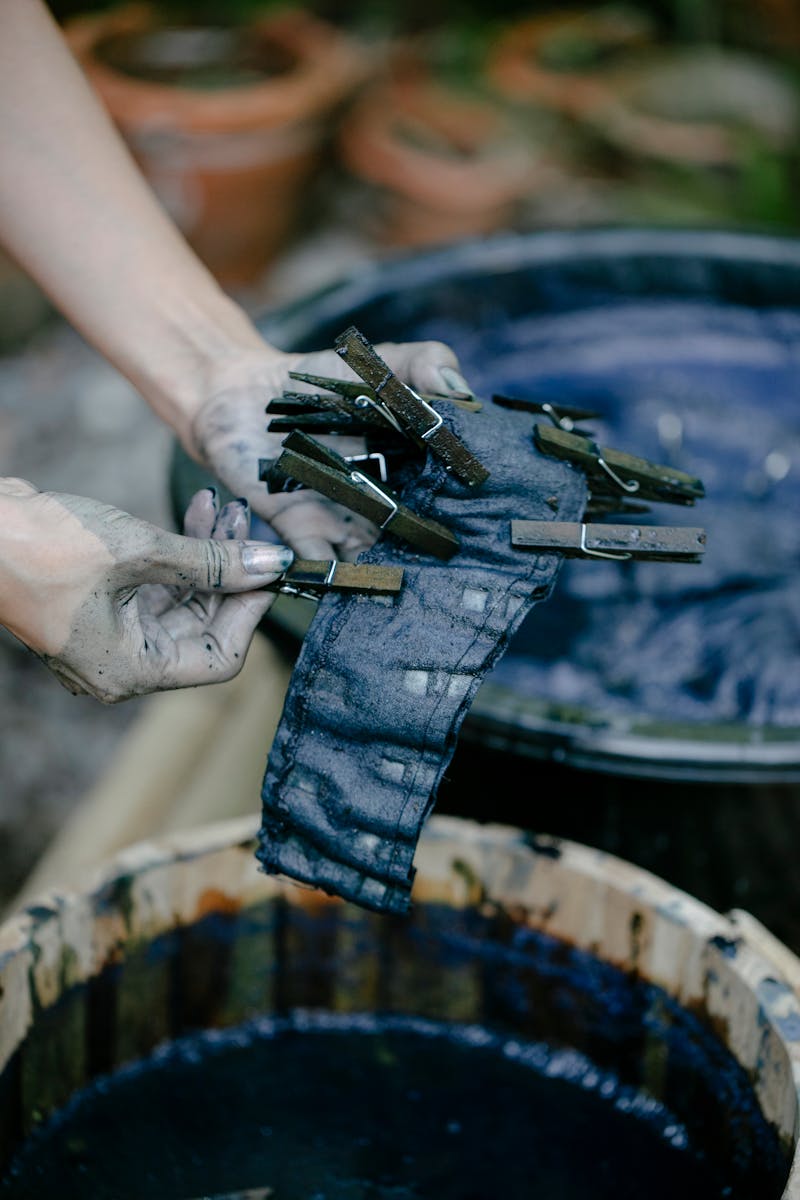
Synthetic dyes are made from chemical compounds that include heavy metals, petroleum derivatives, and toxic solvents. Their production pollutes waterways, harms ecosystems, and leaves a lasting mark on the earth. Natural dyes are fully biodegradable and non-toxic, requiring far less water, releasing no harmful by-products, and leaving behind wastewater that can be returned to the soil as nutrients rather than poison.
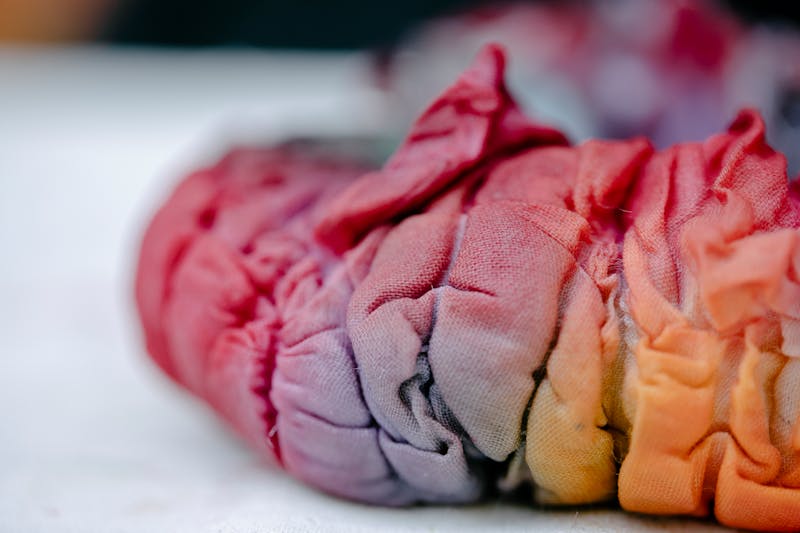
Our palette comes directly from the earth. Madder root yields warm terracottas and burnt oranges. Indigo leaves produce deep, enduring blues. Walnut husks create rich, grounded browns. Onion skins offer soft golden warmth. Chamomile and iron combine to form muted olive greens. Birch bark brings gentle, neutral greys. Each dye source carries subtle variation, a fingerprint of nature that makes every piece truly one of a kind.
Before any color is introduced, the fiber must be prepared. This step, called mordanting, creates a bond between the fiber and the dye so that color holds true over time. For protein fibers like wool, cashmere, and alpaca, a single mineral bath is enough, their natural structure already contains the bonding sites that dye needs to hold.
For cellulose fibers like cotton and linen, the process requires more patience. The fiber is first soaked in a tannin bath drawn from plant material, creating the foundation that allows color to attach. A second mineral bath then strengthens this connection. It is a slow, deliberate process, one that respects the nature of each fiber.
The prepared fiber is gently lowered into the dye bath, a warm infusion of plant material and water. Temperature is raised slowly, never rushed, allowing the color to develop at its own pace. The fiber rests in the bath for hours, sometimes overnight, absorbing tone gradually and evenly. Each fiber type responds differently to the same dye, creating a range of depth and expression that synthetic processes cannot replicate.
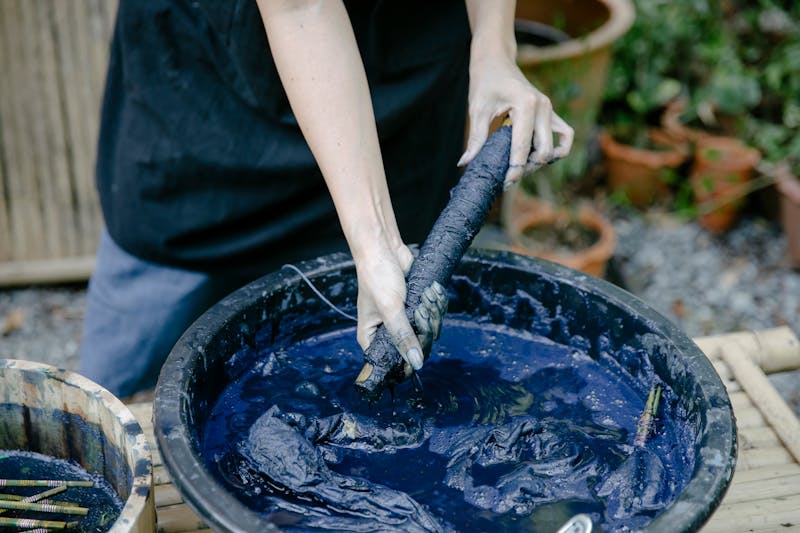
Natural dyes do not sit on top of the fiber. They become part of it. Over time, the color may shift and deepen, responding to light, wear, and the rhythm of daily life. This is not a flaw. It is a quality, a living relationship between the garment and the person who wears it. Certain dyes, like indigo and madder, have been found on textiles thousands of years old, still holding their color with remarkable permanence.
Natural dyeing cannot be automated or accelerated. It requires intuition, attention, and an understanding of how variables interact, the freshness of the plant material, the chemistry of the water, the season in which it was gathered. Every batch is unique. Every shade tells its own story. This is color made with intention, not convenience.
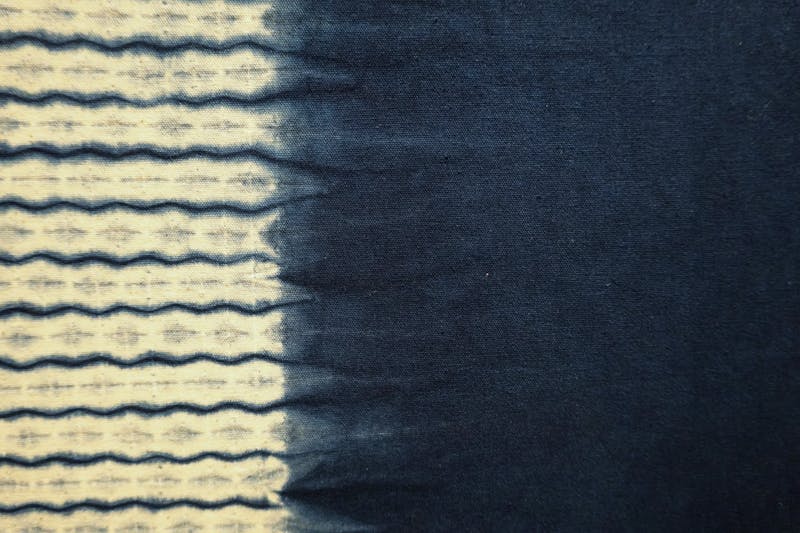
Naturally dyed garments ask for a gentler touch. Washing in cool water with mild, pH-neutral soap preserves the bond between fiber and color. Over time, sun exposure may soften certain hues, but this is part of the beauty, a garment that ages alongside its wearer, growing softer and more personal with every season.
What touches your skin should honor it. Our natural dyes are free from synthetic chemicals, safe for the body, and gentle on the world. The color you wear is not manufactured. It is grown, gathered, and given time to become itself.