 Verified
Verified
Verified
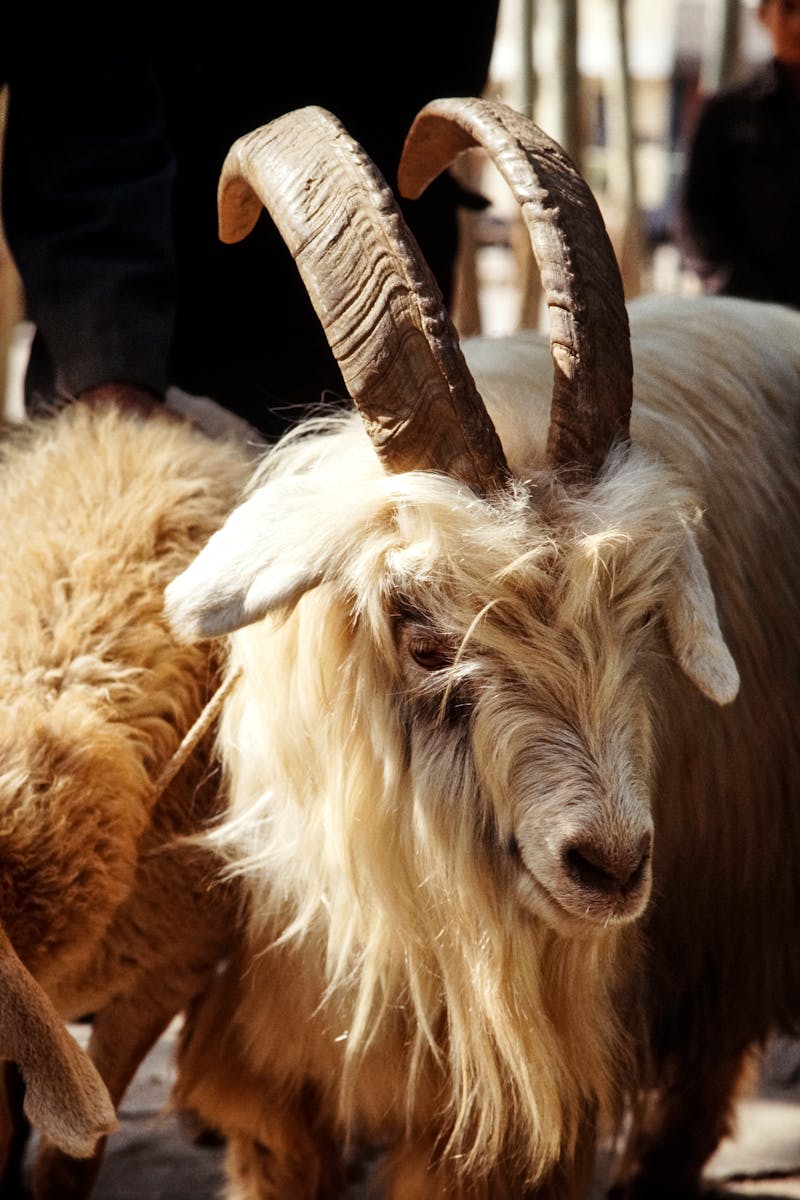
Cashmere fiber comes from the soft undercoat of cashmere goats, one of the rarest and most prized natural fibers in the world. Incredibly lightweight yet remarkably warm, our cashmere is sourced from free-roaming goats on small, ethically managed farms where the animals are hand-combed each spring with care and respect.
Cashmere originates from goats that develop a fine, insulating undercoat as the seasons shift. With thoughtful care, they are able to live as nature intended, roaming, grazing, and existing within balanced environments.
Our cashmere is sourced from farmers who are Climate Beneficial™ certified, a standard rooted in regenerative land practices, transparent traceability, and the restoration of ecosystems. Their commitment recognizes that exceptional fiber begins with how the animals and land are cared for, supporting long-term ecological balance and animal wellbeing.
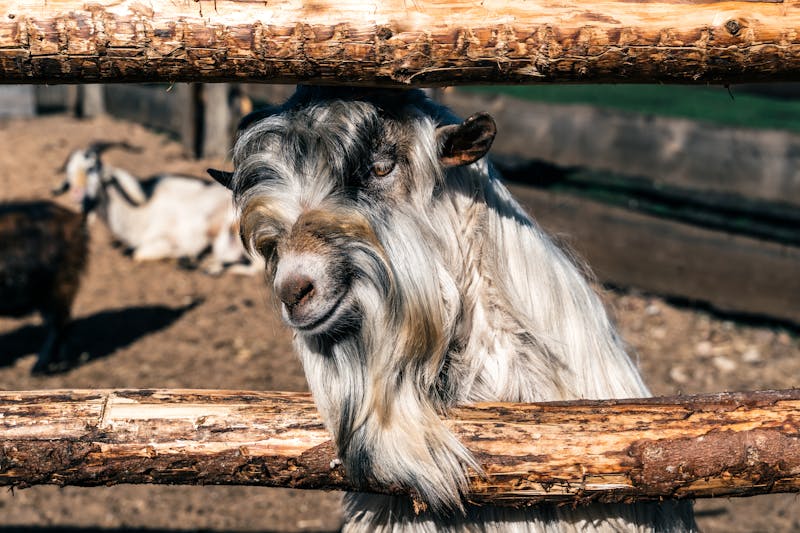
With the changing seasons, goats shed their soft inner fibers. This is when the collection begins... slowly and respectfully, using gentle combing techniques. Only the loosening fibers are gathered, allowing the process to remain fully aligned with nature's timing.
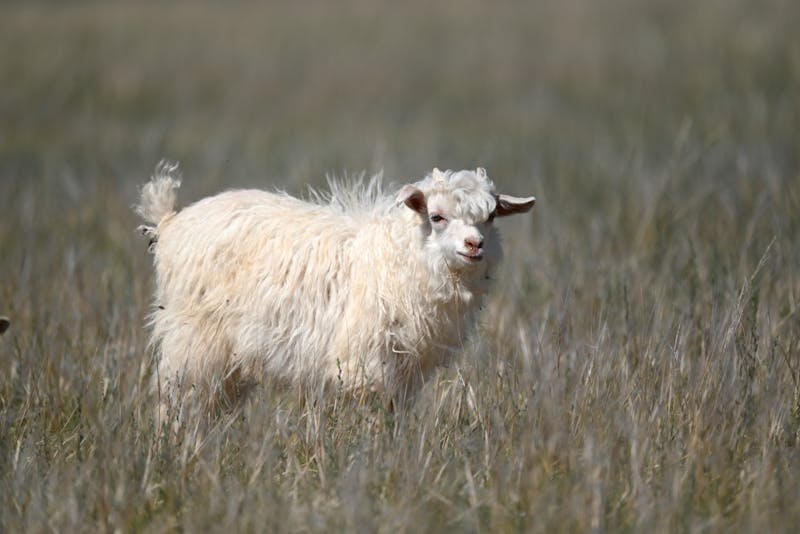
Raw cashmere is delicate, but it arrives mixed with coarser guard hairs and natural debris. The fiber is carefully separated and refined, isolating only the softest strands that define true cashmere. This step requires precision and restraint, preserving quality over quantity.
The fiber is then washed to remove dust and impurities. This is done gently, maintaining the integrity of each strand so the softness remains untouched.
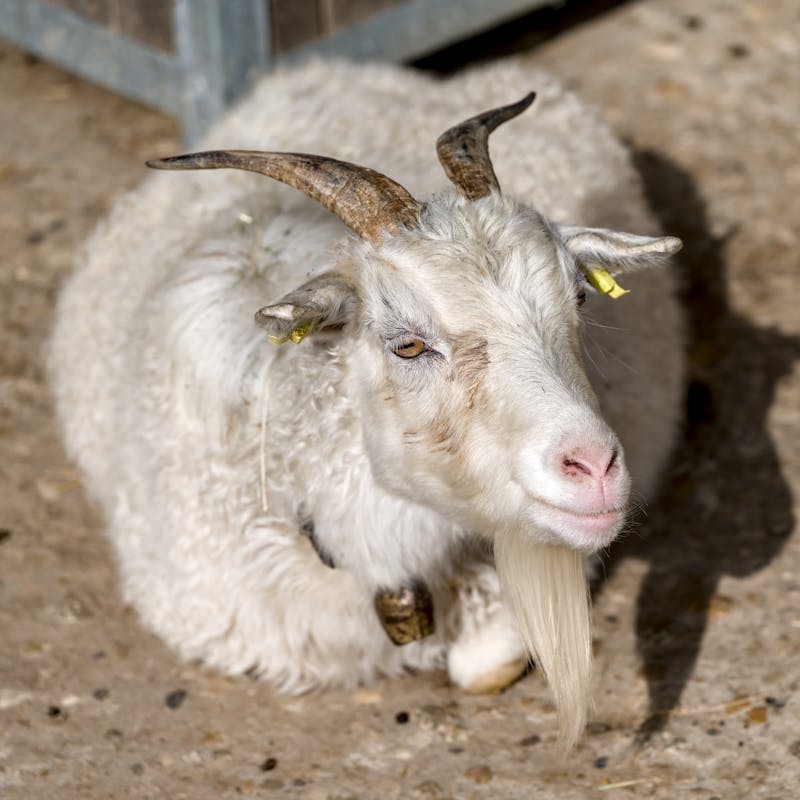
Cashmere undergoes a process known as dehairing, where any remaining coarse fibers are removed. What remains is an exceptionally fine, uniform fiber... lightweight, insulating, and incredibly soft.
These refined fibers are spun into yarn, creating threads that are both delicate and strong. The result is a material that feels weightless, yet holds warmth in a way only natural fibers can.
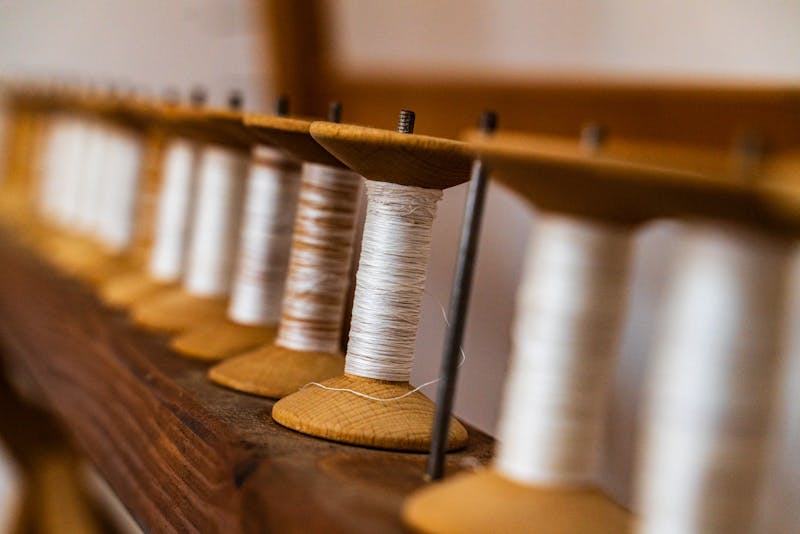
When color is introduced, it comes from the earth... plants, roots, bark, flowers, seeds. The dyeing process is slow and organic, allowing tones to develop naturally rather than artificially. Each shade carries subtle variation, a reminder of its living origin.
Before any final piece is created, the yarn is tested. Swatches are formed to explore texture, drape, and durability. This stage is about listening, allowing the material to guide how it wants to be worn.
Only after this process does the yarn become a garment. Knitted or crocheted with care, each piece is created without urgency, valuing craftsmanship, longevity, and intention.
Cashmere, when approached this way, becomes more than a material. It becomes a reflection of patience and intention.